Figurines and Vases
Figurines and vases have decorated human spaces for thousands of years. From ancient Chinese porcelain to mid-century modern sculptures, these objects carry a quiet power to transform a room. Whether displayed on a mantelpiece or a bookshelf, they communicate something about the people who choose them — their tastes, their travels, their sense of beauty.
A brief history worth knowing
The tradition of displaying decorative objects in the home stretches back millennia. Ancient Egyptians kept small figurines as spiritual symbols, while the Chinese elevated vase-making into high art during the Tang and Song dynasties. By the 18th century, European households were collecting porcelain figurines as status symbols, with brands like Meissen and Wedgwood catering to aristocratic tastes. Today, these objects have shed their elitist associations and become accessible to all kinds of collectors and decorators.
What makes a good figurine
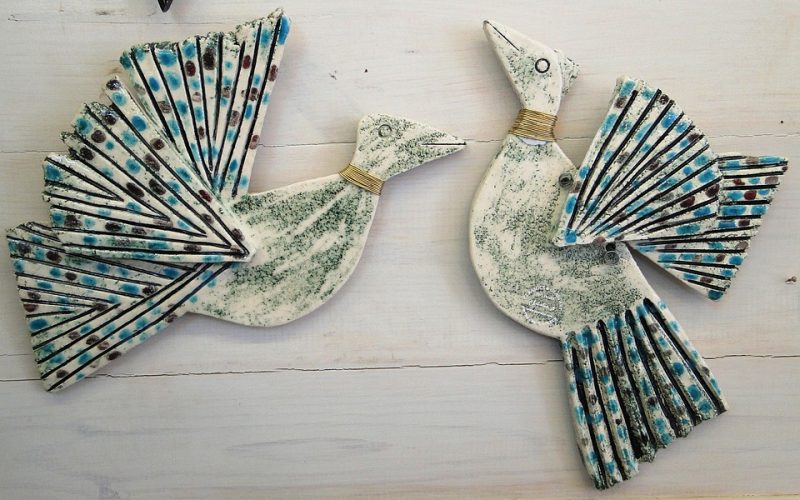
A well-chosen figurine does more than sit on a shelf. It anchors a space, adds personality, and often sparks conversation. The best figurines are crafted from durable materials — ceramic, resin, bronze, or hand-blown glass — and feature a level of detail that rewards a second look. Subject matter varies widely, from abstract human forms to animals, mythological figures, and contemporary art sculptures. When selecting one, consider how its scale, colour, and material interact with the surrounding décor.
Choosing the right vase
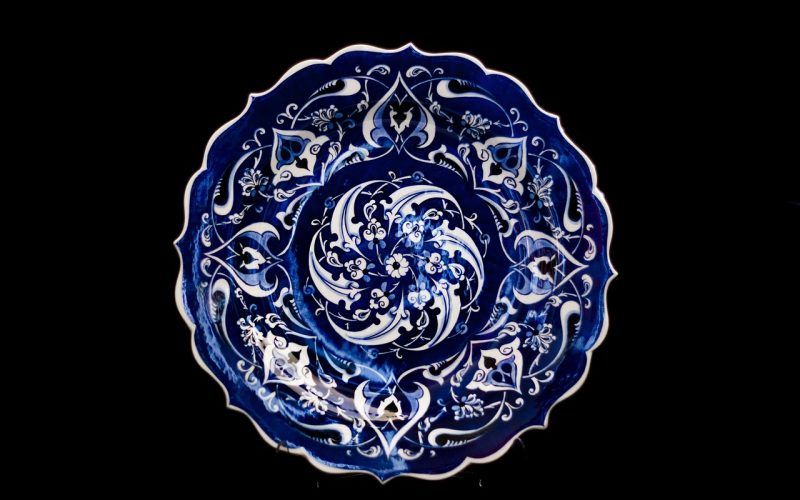
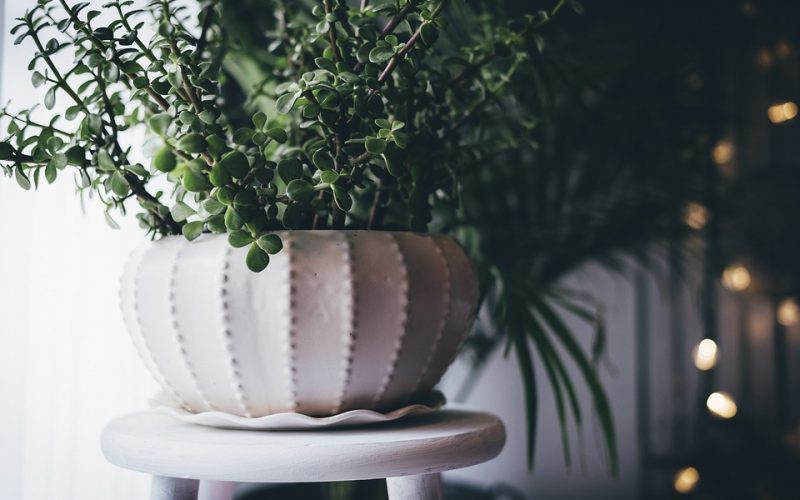
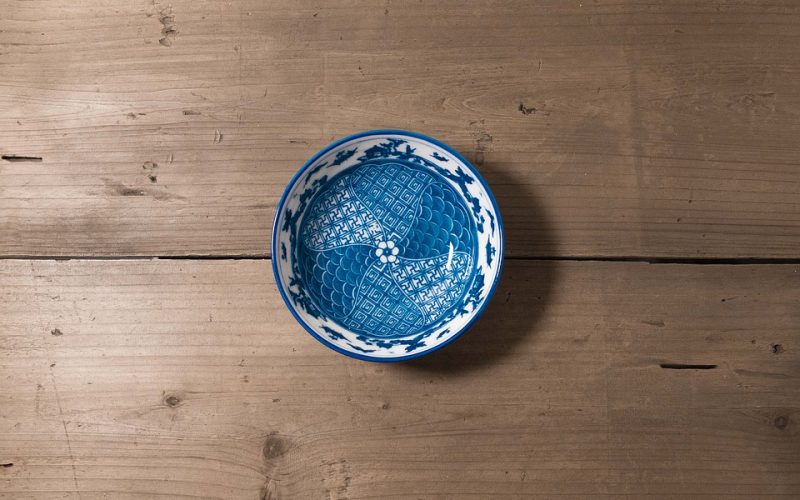
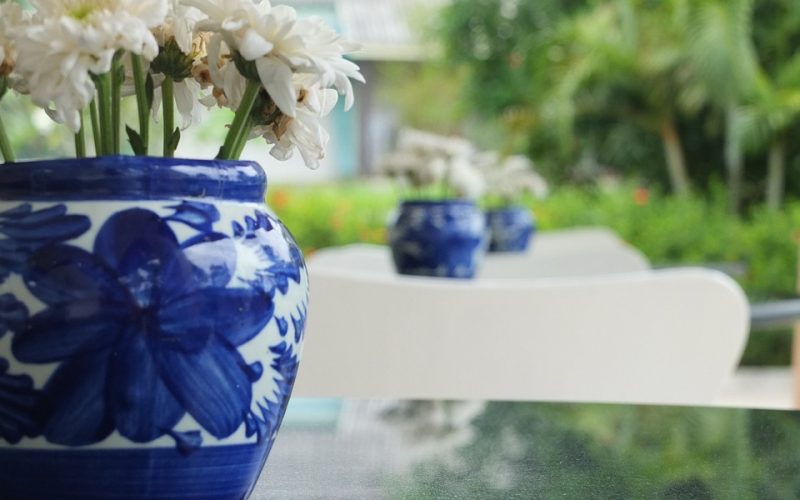
A vase serves a dual purpose: it is both a functional vessel and a standalone decorative object. Even without flowers, a beautifully shaped vase contributes texture, height, and visual interest to a space. Tall, slender vases work well in minimalist interiors, drawing the eye upward and creating a sense of elegance. Shorter, rounder forms suit more relaxed or eclectic settings. Glazed ceramics bring warmth and colour, whilst clear or frosted glass keeps things light and airy. The key is choosing a form that complements rather than competes with its surroundings.
How to style them together
Pairing figurines and vases is as much about contrast as it is about cohesion. A tall ceramic vase placed beside a small, detailed figurine creates visual tension in the best possible way — one draws the eye through height, the other through intricacy. Grouping objects in odd numbers tends to feel more natural and dynamic than even arrangements. Varying the heights, textures, and materials within a grouping adds depth without creating clutter. The goal is a curated look that feels intentional, not overcrowded.
Materials and craftsmanship matter
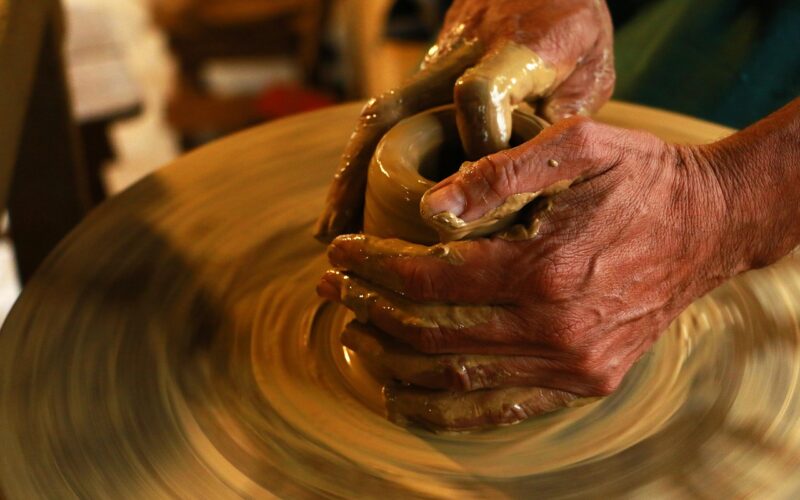
Mass-produced pieces have their place, but handcrafted figurines and vases carry a quality that is difficult to replicate. Small imperfections — a slight irregularity in the glaze, a subtle asymmetry in the form — are what give handmade objects their character. Many collectors seek out pieces from independent ceramicists and sculptors, valuing the story behind the object as much as the object itself. Investing in well-made pieces tends to pay off over time, both aesthetically and financially.
Building a collection with intention
A thoughtfully built collection grows gradually and reflects a genuine point of view. Rather than buying pieces simply because they are on sale or loosely match a colour scheme, the most satisfying collections are assembled around a theme, a material, a cultural tradition, or a personal narrative. Travel is a common source of inspiration — a hand-painted vase from Lisbon or a carved figurine from Kyoto brings a sense of place into the home. Start small, be selective, and allow the collection to evolve naturally over time.